When you think about the unsealing of a will, it might conjure up images of dusty old libraries, mysterious family secrets, and perhaps a long-lost great aunt who left her fortune to her cat. But in Scotland, the process of unsealing a will is less like an Agatha Christie novel and more about ensuring transparency, legacy, and yes—a good dose of intrigue.
The What, Why, and Wow of Will Unsealing
A will is typically a private document, opened after a person passes away to distribute their estate according to their wishes. But sometimes, especially in high-profile cases, wills are kept under lock and key—sealed away from public view. That is, until someone (usually a lawyer or court) decides it’s time to break the metaphorical wax seal. The Executors of the will and the beneficiaries get to see the will.
In Scotland, once a will has been confirmed (or ‘probated’ as our American cousins say), it becomes part of the public record. This means anyone can access it. Yes, even your nosey neighbour Sandra who “just wants to see how much the garden gnomes were worth.”
Royals, Riches, and Remarkable Revelations
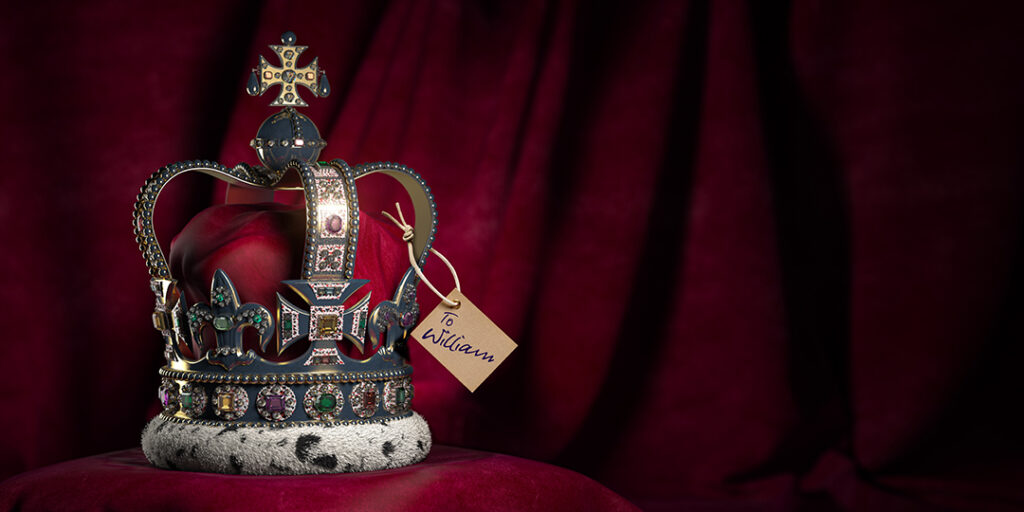
Royal wills, however, are a breed apart. Traditionally, the wills of senior British royals have been sealed, often for decades, to protect the dignity and privacy of the Crown. But change is afoot.
Take the case of Prince Philip, the late Duke of Edinburgh. When he passed in 2021, his will was sealed by a court order for 90 years. That’s a long time to wait to see whether he left his collection of bespoke barbecue tools to a favourite staff member.
This sealing practice was challenged in court, and the judgment sparked debate about transparency versus privacy. The court decided the will should be sealed for 90 years, which is different to the previous royal wills which were sealed with no time limits. After the 90 years, there will need to be another Court hearing to decide as to whether the will should be made public or be kept sealed for a further set period.
Although it’s possible for anyone to apply for their will to be sealed, it appears that applications for the sealing of non-Royal wills are rarely successful (the records are not kept on the number of applications to seal a will so a little conjecture on our part). However, this matter has highlighted the fact that a person usually able to obtain a copy of a loved ones will to see what it contains and potentially, whether there are any grounds to challenge the same.
Meanwhile, the rest of us mere mortals have our wills revealed quicker than you can say “inheritance tax”.
What Hidden Treasures Have Been Found?
While royal wills remain mostly out of reach, other notable wills have caused a stir. Scottish industrialist and philanthropist Andrew Carnegie’s will famously outlined his vision for libraries, education, and peace. Not quite gold doubloons, but arguably more valuable.
In another eyebrow-raising moment, the will of Scottish poet Robert Burns included provisions that highlighted his complex personal life—several children, multiple relationships, and a legacy that stirred as much gossip as it did inspiration.
Why YOU Shouldn’t Wait to Make Your Will
If you’re a young family, making a will might feel like planning a dinner party for 2085. But here’s the deal: your will is your voice when you’re not around to shout “the Lego collection goes to Jamie!”
Unsealing wills is fascinating, but it underscores a vital truth—you need one. Without a will, your estate could be left to chance, or worse, a distant cousin who once stole your crayons.
At McLean Estate Planning, we make will-making simple, sensible, and even a little satisfying. Whether you’re naming guardians for your children, setting up a trust, or just ensuring the cat’s future is sorted, we’re here to help.
Leave a Legacy, Not a Mystery
Sure, royal wills might be sealed tight, but yours doesn’t have to be. Plan ahead, take control, and make sure your story—and your wishes—are told exactly as you want them to be.
Get in touch with McLean Estate Planning today. Your family, your legacy, your future, sorted.